

Conquer New Zealand’s wilderness: the ultimate Tarawera Ultramarathon 2026 guide
The Tarawera Ultramarathon 2026 is not just another ultra on the calendar. It is a deep immersion into New Zealand’s wild heart, combining runnable forest trails, volcanic terrain, lakeside paths, and the unique Māori cultural backdrop that defines this event. For many international runners, Tarawera represents both an athletic challenge and a once-in-a-lifetime experience.
This Tarawera Ultramarathon 2026 race guide is designed to help you understand the course, prepare the right strategy, and avoid common mistakes that can compromise your race in such a unique environment.
What makes Tarawera Ultramarathon unique
Tarawera stands out from many European and North American ultras for one key reason: it is relentlessly runnable. While elevation gain exists, the course rarely demands sustained technical climbing. Instead, it rewards efficiency, patience, and pacing discipline.
Key characteristics of the race include:
Fast, flowing singletrack through native forest
Long sections of compact dirt roads and lakeside paths
Humid conditions that amplify fatigue
Minimal altitude but constant muscular load
Because of this, Tarawera often surprises runners who underestimate how damaging “easy running” can become over ultra distance.
Tarawera Ultramarathon 2026 distances overview
While Tarawera offers multiple race formats, the flagship events remain the 102 km and 50 km races. Each distance shares the same philosophy but demands different execution.
102 km (T102)
Distance: ~102 km
Elevation gain: ~2,500 m
Terrain: Forest trails, dirt roads, lake paths
Profile: Rolling, highly runnable
This is a race of accumulated fatigue, not explosive climbing. Runners who go out too fast almost always pay for it after 70 km.
50 km (T50)
Distance: ~50 km
Elevation gain: ~1,200 m
Terrain: Similar to T102, but more compact
Profile: Fast, controlled effort
The T50 often runs closer to marathon intensity, but pacing mistakes are just as costly due to humidity and surface repetition.
Understanding the Tarawera course profile
From a strategic point of view, Tarawera’s course can be divided into three phases.
Early phase: finding restraint
The opening kilometers feel deceptively easy. Wide trails, fresh legs, and an excited pack make it tempting to push.
However, this is where experienced runners gain time later. The correct approach is to:
Run below perceived effort
Ignore heart rate spikes caused by adrenaline
Focus on fueling from the first 30 minutes
Going too fast early almost guarantees a progressive slowdown later.
Middle phase: rhythm and efficiency
This is where Tarawera truly begins. Long forest sections demand mental focus and biomechanical efficiency.
Key priorities in this phase include:
Maintaining a consistent cadence
Avoiding unnecessary surges
Staying ahead on hydration
Because there are few technical distractions, the race becomes mental. Many runners struggle here simply because the terrain does not change enough to reset attention.
Final phase: managing muscular fatigue
The last third of the race is rarely about fitness. It is about muscle resilience, nutrition discipline, and mental clarity.
Expect:
Heavy quadriceps fatigue
Reduced stride length
Increased sensitivity to dehydration
Runners who conserved energy early often move steadily through the field in this phase.
Weather and environmental conditions
One of the most underestimated factors in the Tarawera Ultramarathon 2026 race guide is climate.
Typical conditions include:
Mild to warm temperatures
High humidity
Sudden weather changes
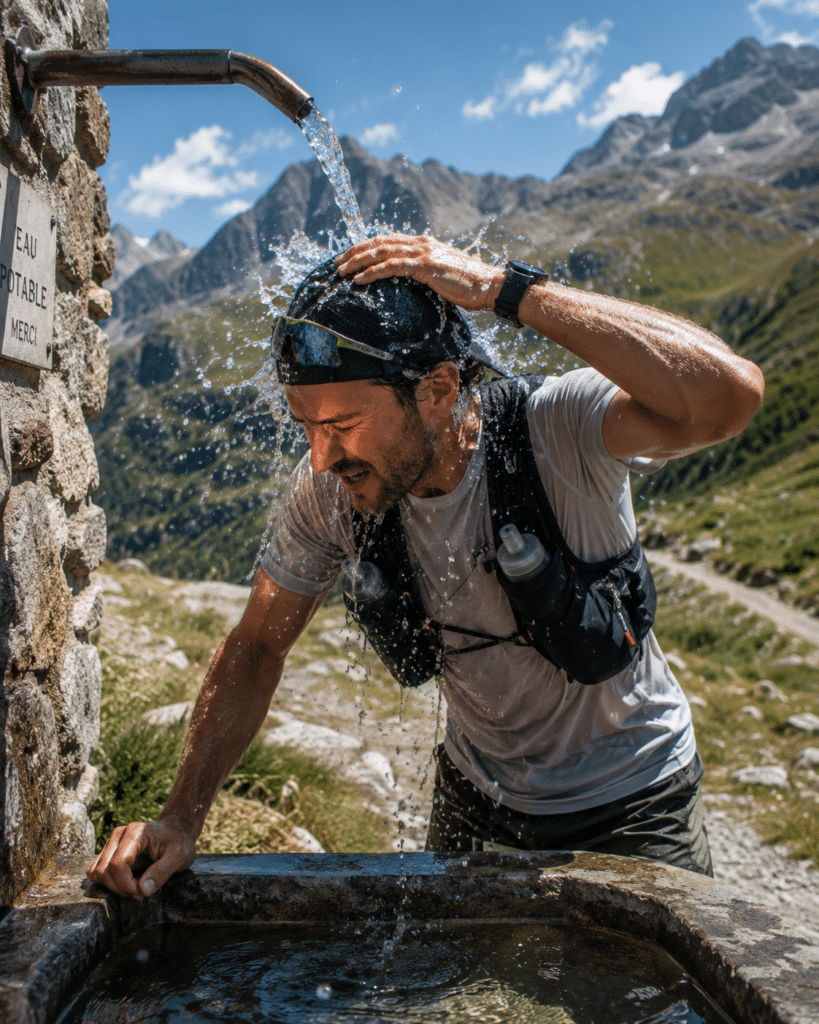
Even moderate temperatures can feel oppressive due to moisture in the air. Sweat evaporation is reduced, increasing dehydration risk.
Practical advice:
Drink small amounts frequently
Include electrolytes consistently
Adjust pacing based on perceived exertion, not temperature alone.
Weather and environmental conditions
Training for Tarawera is not about chasing vertical gain. Instead, it requires specific durability and efficiency work.
Key training focuses
Long steady runs on rolling terrain
Back-to-back medium-long runs
Muscular endurance sessions at moderate pace
Heat and humidity adaptation if possible
If you only train steep mountain terrain, Tarawera may feel awkward. The race rewards runners who can hold a steady pace for hours without mechanical breakdown.
Strength and conditioning
Because of the repetitive nature of the course, strength work is non-negotiable.
Focus on:
Quadriceps and glutes
Hip stability
Calf and Achilles resilience
Short, consistent strength sessions will pay off late in the race.
Nutrition and fueling strategy
Tarawera is a race where fueling errors accumulate quietly and then explode.
General guidelines include:
60–90 g of carbohydrates per hour
Early and regular intake
Sodium adapted to sweat rate
Because the course is runnable, it is easier than usual to eat and drink. Use this advantage.
Avoid the common mistake of delaying calories because “you feel fine.” You will not feel fine later if you do.
Gear recommendations for Tarawera
This is not an overly technical race, but gear choices still matter.
Shoes
Lightweight trail shoes with moderate cushioning
Good grip for dirt and forest paths
Durable outsole for long runnable sections
Avoid overly aggressive mountain shoes, which can feel inefficient on this terrain.
Mandatory and optional gear
Mandatory gear is minimal, but consider:
A hydration vest with good airflow
Lightweight breathable clothing
Cap or visor for sun protection
Comfort over long hours is more important than marginal weight savings.
Common mistakes to avoid
Even strong runners make predictable errors at Tarawera.
The most frequent ones are:
Starting too fast
Underestimating humidity
Neglecting early fueling
Ignoring muscle preservation
Tarawera rewards patience more than bravado.
Final thoughts on Tarawera Ultramarathon 2026
The Tarawera Ultramarathon 2026 is not about conquering the mountains. It is about mastering rhythm, restraint, and resilience in one of the most beautiful ultra settings in the world.
Approach it with humility, train specifically for its demands, and respect the environment. If you do, Tarawera will reward you with one of the most satisfying finishes in trail running.
This Tarawera Ultramarathon 2026 race guide should serve as a foundation. The rest depends on how intelligently you