
How to Train for Trail Running in Winter and Cold Temperatures
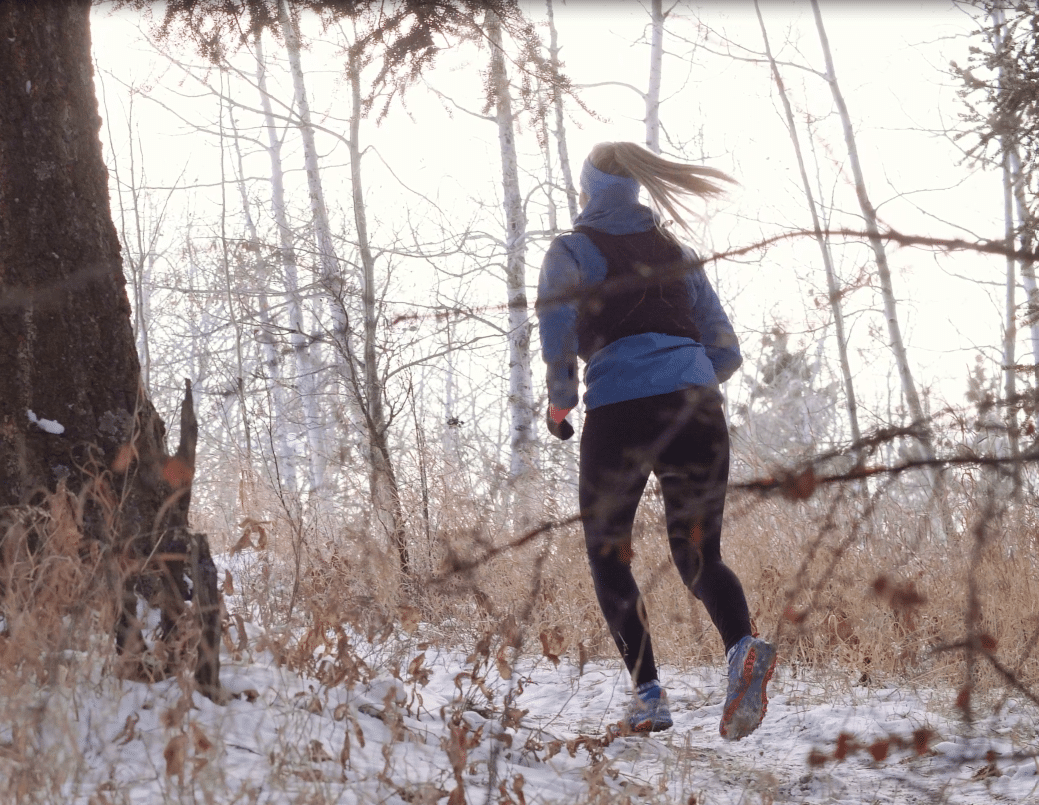
Winter can be one of the most rewarding seasons to train for trail running — but also one of the most challenging. Shorter days, freezing temperatures, snow-covered paths, slippery terrain, and a drop in motivation can make winter trail running feel intimidating. Yet, winter training builds strength, resilience, mental toughness, and technical skills that are invaluable for spring and summer races.
Whether you’re preparing for your first trail event in April, maintaining your fitness during the off-season, or embracing winter mountain adventures, the right approach can transform cold-weather training into a powerful advantage. In this guide, we explain exactly how to train for trail running in winter and cold temperatures, covering gear, training plans, safety, nutrition, and winter-specific workouts.
1. Adjust Your Training Plan to Winter Conditions
Winter trail running requires an adapted mindset: the goal is to stay consistent, safe, and smart — not necessarily fast.
Slow down the pace
Snow, mud, ice, and cold reduce speed naturally. This is normal. Embrace an effort-based approach instead of focusing on pace metrics.
Shift to shorter, more intense sessions
Because daylight is limited and conditions are tougher, winter is ideal for:
- Hill repeats
- Tempo intervals
- Strength circuits
- Technical drills on snow
These sessions keep your cardiovascular system sharp without requiring long hours outside.
Keep long runs – but schedule them wisely
Plan long outings during:
- The warmest hours of the day
- Stable weather windows
- Well-known, non-hazardous terrain
You can also combine part outdoor + part treadmill to reduce risk.
2. Essential Gear for Trail Running in Cold Weather
Having the right equipment makes winter running not only safer but much more enjoyable.
Layering: the key to staying warm
Use the 3-layer system:
- Base layer: moisture-wicking (merino or synthetic)
- Mid-layer: insulation (fleece or light puffy)
- Outer layer: waterproof or wind-resistant jacket
Avoid cotton — it holds moisture and cools the body.
Lower body protection
- Thermal tights or running pants
- Wind-resistant overlays if temperatures drop below freezing
- Merino socks for warmth without sweat buildup
Accessories matter
- Gloves (double layer if very cold)
- Beanie or headband
- Buff or neck warmer
- High-luminosity headlamp for early sunsets
- Reflective gear for road crossings or forest edges
Shoes for winter trails
Your shoe choice can significantly improve safety:
- Deep lugs for snow
- Sticky rubber soles for wet rocks
- Waterproof membrane (optional — good for slush and deep snow)
- Microspikes or traction devices for icy trails
3. Nutrition & Hydration in Cold Temperatures
Winter suppresses thirst, but hydration remains crucial.
Hydration tips
- Use insulated bottles or flasks to prevent freezing
- Drink regularly even if you don’t feel thirsty
- Add electrolytes to warm drinks in a thermos
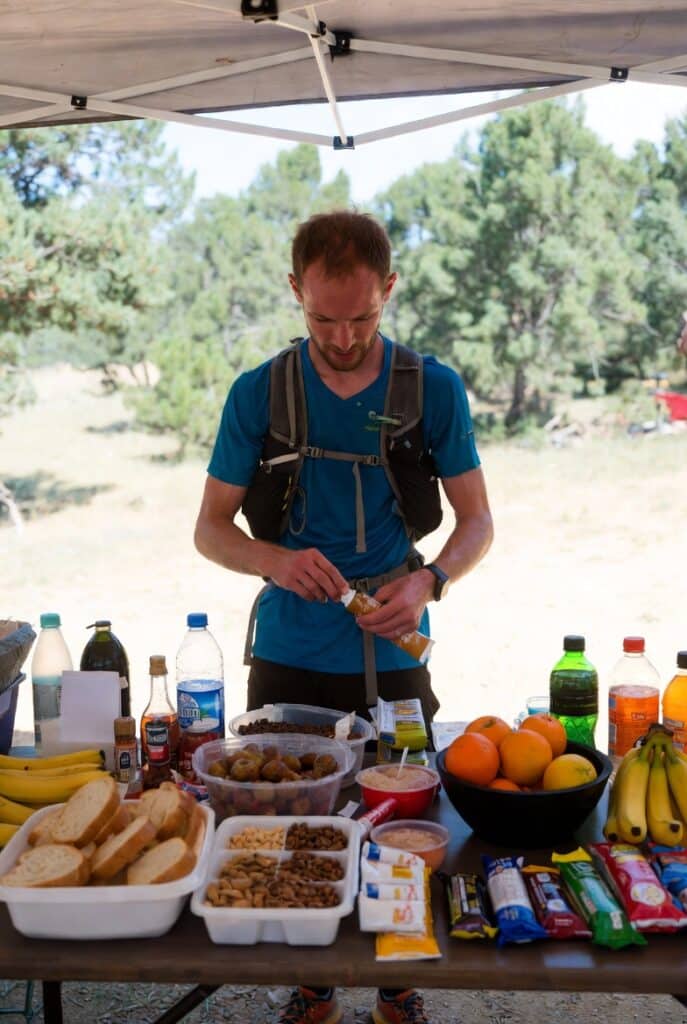
Nutrition tips
- Increase calories slightly (the body burns more to maintain heat)
- Carry foods that stay soft in cold temperatures (gels, bars kept close to body)
- Eat small portions frequently to maintain energy levels
4. Safety Tips for Winter Trail Running
Nature can be unpredictable in winter — safety must come first.
Check weather and conditions
Always check:
- Snow and ice conditions
- Avalanche risk (mountain regions)
- Sunset time
- Temperature and wind chill
Choose your routes wisely
Pick trails:
- You already know well
- With good visibility
- Avoiding exposed ridges or remote areas during storms
Never run alone in extreme conditions
If solo:
- Share your route with someone
- Carry a fully charged phone
- Bring a GPS watch or tracking app
Emergency essentials
- Thermal blanket
- Light waterproof layer
- Small first-aid kit
- Spare gloves
- Headlamp
5. Strength Training: Your Best Ally in Winter
Winter is the perfect season to build power, stability, and injury resistance — especially when trails are snowy or slippery.
Key strength exercises for trail runners
- Lunges and split squats
- Step-ups
- Single-leg balance work
- Core: planks, side planks, dead bugs
- Glutes: bridges, hip thrusts
- Calf and shin strengthening (important on icy terrain)
Plyometrics (once a week)
- Hops
- Skips
- Bounding
- Short jumps
These develop reactivity and help with snow running.
6. Winter-Specific Training Sessions for Trail Runners
Here are the best training ideas adapted for cold conditions:
- Snow Running Technique Session
Focus on:
- Quick cadence
- Light strides
- Low center of gravity
This improves stability and coordination.
- Hill Repeats (Short)
Great for:
- Strength
- Cardio
- Heat management
You stay warm quickly, even in very cold conditions.
- Threshold or Tempo Runs
Ideal on compact snow or forest paths with traction.
- Long Slow Run (LSR)
When conditions allow:
- Choose safe, familiar terrain
- Stay warm by avoiding long breaks
- Carry extra nutrition
- Indoor Mix: Treadmill + Strength
Example session:
- 20 minutes treadmill
- 20 minutes strength
- 10 minutes incline hiking at 10–15%
Perfect when the weather is stormy.
7. Mental Strategies to Stay Motivated in Winter
Consistency is the hardest part of winter training. Try these tips:
Plan runs according to mood and daylight
Morning daylight may be better for mood; lunchtime is best for warmth.
Use group runs
Joining clubs, friends, or local trail communities boosts motivation.
Warm up indoors
Start warm — you’ll feel less resistance stepping outside.
Set a clear winter goal
Examples:
- A spring race
- Being ready for a big summer ultra
- Weekly mileage consistency
- Improving strength
8. Winter Training Helps You Prepare for Big Goals
Conclusion
Winter trail running doesn’t have to be intimidating. With the right preparation, gear, and mindset, it becomes an opportunity to build strength, resilience, and technical ability that will pay off when race season returns. Embrace the cold, stay consistent, and make winter your strongest training season.