

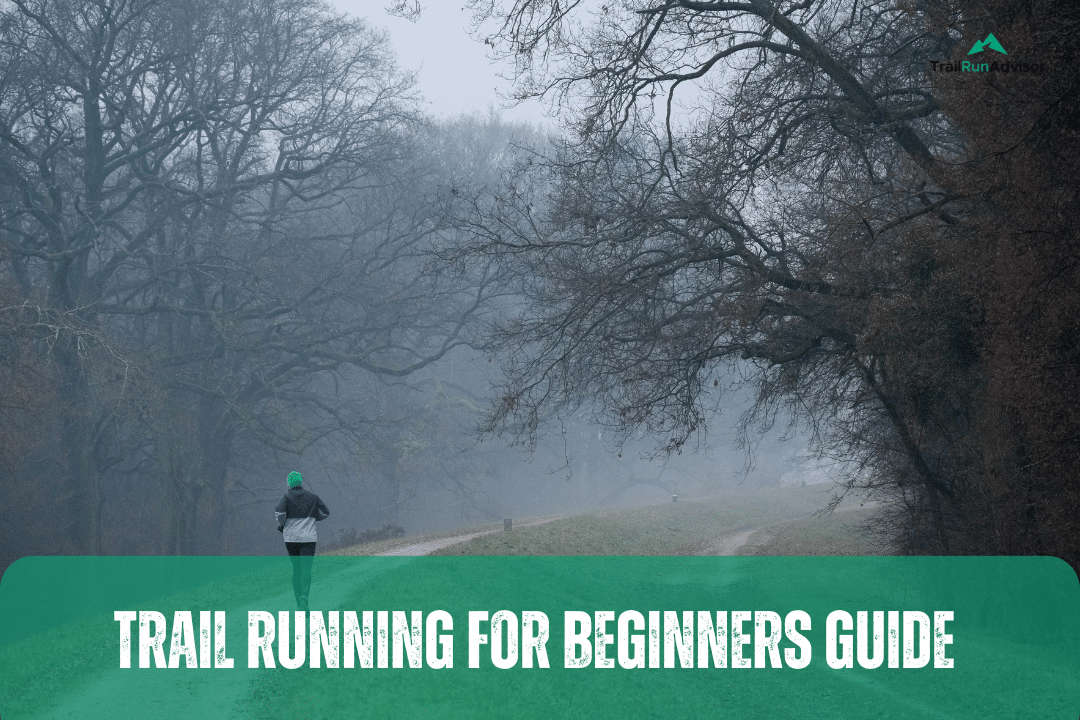
Trail running 101: a beginner’s guide to your first off-road run
Trail running is one of the most accessible and rewarding ways to discover endurance sports outdoors. Unlike road running, it takes you away from traffic, into nature, and onto varied terrain that challenges both body and mind. However, your first off-road run can feel intimidating if you do not know what to expect.
This trail running for beginners guide is designed to help you start safely, build confidence, and enjoy your first experiences on the trails without unnecessary mistakes.
What is trail running, really?
At its core, trail running means running on natural surfaces instead of pavement. This includes:
Forest paths
Dirt and gravel tracks
Mountain trails
Coastal and desert routes
The terrain is rarely flat or predictable. Roots, rocks, mud, and elevation changes are part of the experience. That variability is exactly what makes trail running engaging, but it also requires a different mindset compared to road running.
Why trail running is ideal for beginners
Many new runners assume trail running is harder than road running. In reality, it can be more forgiving.
Key benefits include:
Softer surfaces that reduce impact on joints
Natural variation that encourages walk breaks without pressure
Lower pace expectations, which reduce performance anxiety
Strong mental engagement that makes time pass faster
For beginners, trail running often feels more playful and less rigid than road running
How to choose your first trail
Your first off-road run should be simple, not epic.
What to look for
Well-marked trails
Moderate elevation gain
Compact dirt or gravel surface
Easy access and cell coverage
Parks, nature reserves, and popular local trails are ideal starting points.
What to avoid at first
Highly technical rocky terrain
Steep mountain descents
Long, remote routes
Poorly marked paths
Confidence comes from repetition, not from pushing too far too soon.
What pace should beginners run on trails?
One of the most important lessons in any trail running for beginners guide is this: pace does not matter.
Trail running effort should be based on how you feel, not on speed or kilometers per hour.
Practical advice:
Run when it feels comfortable
Walk uphill without hesitation
Slow down on descents to stay controlled
Focus on breathing, not your watch
Even experienced trail runners walk frequently. That is normal and efficient.
Basic gear you actually need
You do not need expensive equipment to start trail running. Keep it simple.
Shoes
Trail shoes are helpful but not mandatory for your first run.
Look for:
Good grip
Secure fit
Moderate cushioning
Avoid worn-out road shoes with smooth soles, especially if the trail is loose or wet.
Clothing
Choose comfort over performance claims.
Lightweight, breathable clothing
Socks that prevent friction
A cap or visor for sun protection
Avoid cotton if possible, as it retains moisture.
Optional but useful items
A small hydration belt or vest
Your phone (with GPS and emergency contact)
A lightweight windbreaker
As you progress, gear choices will evolve naturally.
Safety basics every beginner should follow
Trail running adds environmental variables that roads do not.
Key safety principles:
Tell someone where you are going
Check the weather before you leave
Carry water, even for short runs
Stay aware of footing at all times
If visibility drops or conditions change, turning back is always the correct decision.
Learning to run on uneven terrain
Trail running is as much about coordination as fitness.
To adapt faster:
Keep your eyes a few meters ahead, not at your feet
Shorten your stride
Relax your arms for balance
Accept occasional stumbles without panic
Your body will improve proprioception naturally over time.
How often should beginners run trails?
Start conservatively.
A good beginner structure:
1 trail run per week
1–2 easy runs or walks on other days
At least one rest day
As confidence and strength increase, you can add more trail volume gradually.
Common beginner mistakes to avoid
Most early frustrations come from predictable errors.
Avoid these:
Comparing trail pace to road pace
Running every uphill
Ignoring hydration
Choosing routes beyond your level
Trail running rewards patience far more than aggression.
Mental approach: enjoying the process
Trail running is not about numbers. It is about experience.
Focus on:
Being present in nature
Learning how your body reacts to terrain
Building confidence step by step
Progress in trail running is rarely linear, especially at the beginning.
Is trail running right for you?
Trail running suits beginners who:
Enjoy being outdoors
Prefer variety over routine
Are comfortable adapting pace and expectations
Want a long-term, sustainable sport
You do not need to be fast. You need to be curious and consistent.
Final thoughts on Tarawera Ultramarathon 2026
Your first off-road run does not need to be long, technical, or impressive. It only needs to happen.
This trail running for beginners guide is your starting point, not a checklist to perfect. Lace up, choose a simple trail, and allow yourself to learn as you go.
Trail running is not about conquering nature. It is about moving with it.