
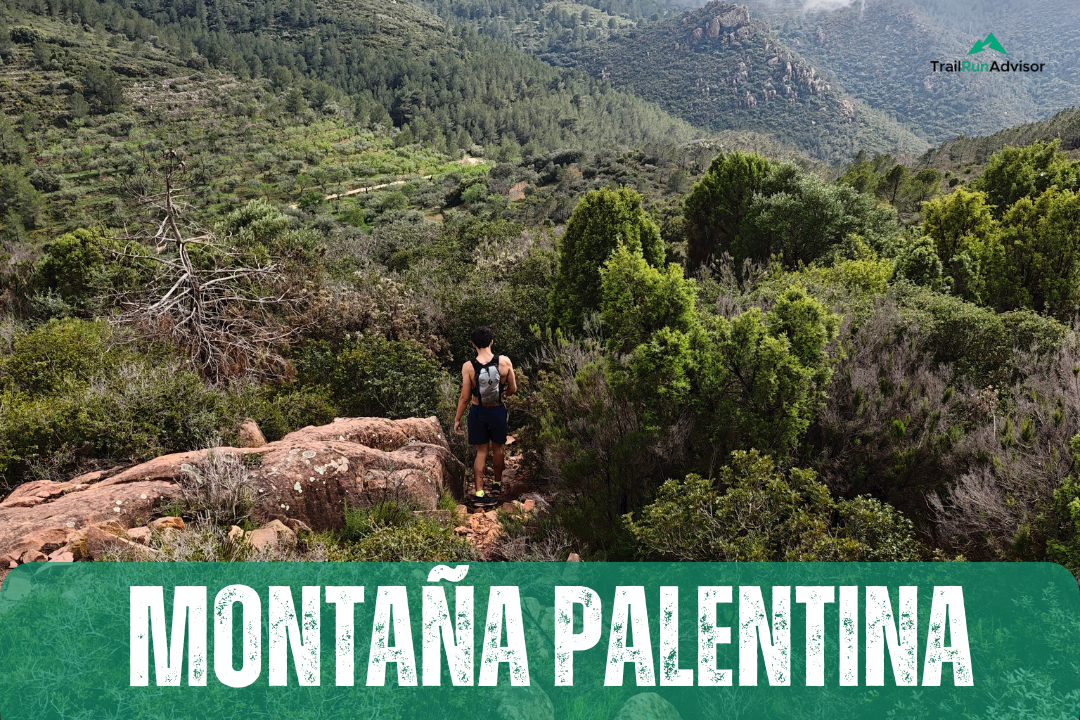
Ultra Trail Palentina – complete guide to its 72K race
When I first signed up for the Palentina Trail 2024, I knew it would be a physical and mental challenge. However, nothing could fully prepare me for the brutal beauty of its limestone peaks, relentless climbs, and the constantly shifting September skies. In this guide, I’ll walk you through everything I learned from running the 72-kilometer distance — from terrain and elevation to gear tips and mindset — so that you know what to expect and how to get ready.
What makes the Palentina Trail unique
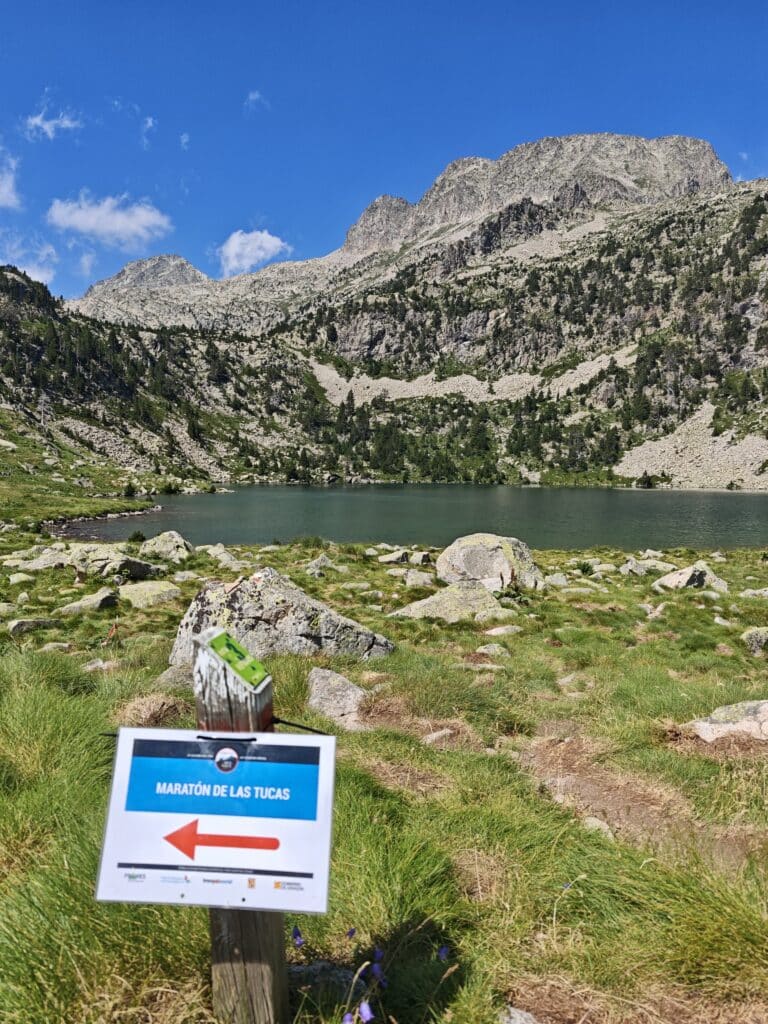
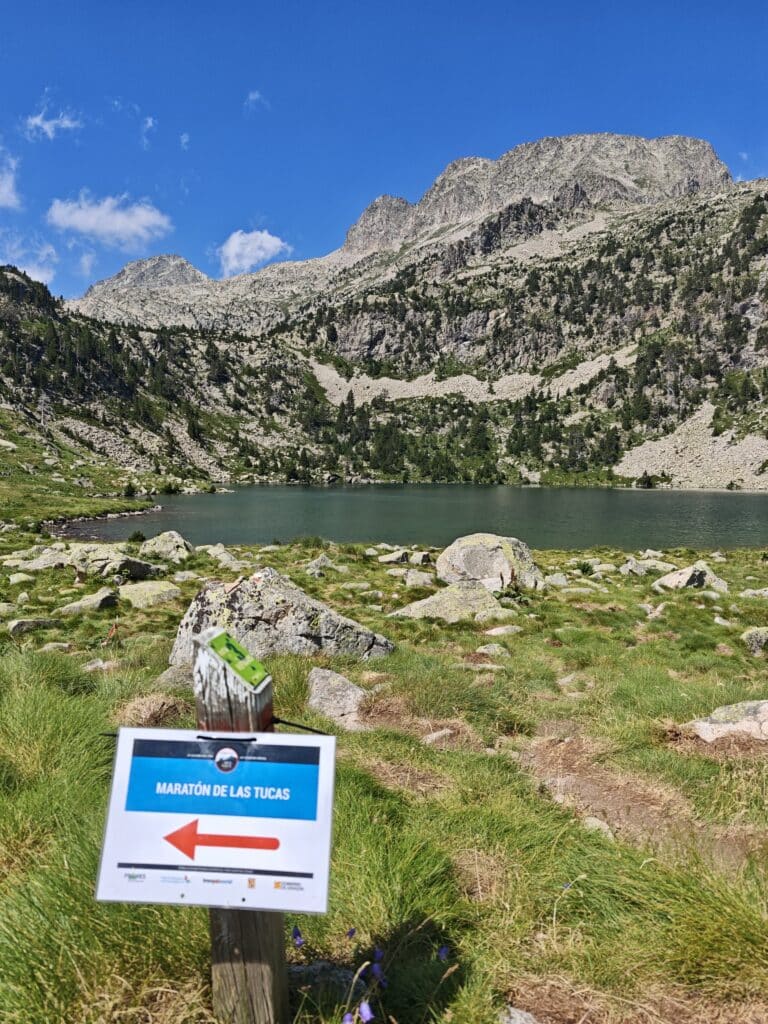
Unlike many ultra trail races that take you through forests or volcanic landscapes, the Palentina Trail dives deep into the world of limestone. The race unfolds in the Montaña Palentina Natural Park, a region in northern Spain that mixes raw geology with harsh elegance. Here, you’re not just running — you’re navigating sharp limestone ridges, exposed summits, and steep descents that test your balance, endurance, and focus.
The terrain is punishing but rewarding. Because the soil is dry and stony, traction varies a lot. At times, you’ll fly down smooth rock slabs, but just around the corner you might find yourself sliding on gravel or leaping over cracks. For runners used to soft or forested trails, this surface demands a different kind of footwork. It forces you to stay alert every step of the way.
A vertical profile that demands respect
One of the first things I checked before signing up was the race’s elevation profile. The Palentina Trail offers over 4,000 meters of positive elevation gain, which means your legs never really get a break. There are no long flats — it’s either up or down.
The ascents are steep and exposed. You’ll climb some classic peaks of the Cantabrian Mountains, including Peña Prieta and Curavacas, often using your hands to scramble. During my race, I counted at least four climbs that went beyond 600 meters each. On paper, they look bad — in reality, they feel even worse.
What helped me manage them was breaking each climb into smaller sections mentally. Instead of thinking “one more hour of climbing,” I’d focus on the next 10 switchbacks or the next group of runners ahead. And always, always eat before you’re hungry — these climbs burn calories fast.
September skies: expect the unexpected
Another defining feature of the Palentina Trail is the weather. Taking place in mid-September, the race sits on the edge of seasonal change. That means clear skies can turn into fog within minutes, and a sunny start may end in a hailstorm.
When I started the race, the temperature was a comfortable 13°C, but within the first ridge I hit wind gusts over 50 km/h and a sudden drop to 4°C. Later, the sun returned, only to be replaced by freezing rain two hours later. While this might sound chaotic, it’s part of what makes the experience so raw and real.
If you’re preparing for this race, make sure your gear can handle temperature swings. A lightweight waterproof jacket, a windbreaker, gloves, and a buff are must-haves. I also carried an emergency bivy bag — not just because it’s mandatory, but because hypothermia is a real risk above 2,000 meters.
Navigating limestone: strategy and technique
Limestone terrain demands a specific running technique. Because the surface is hard and often jagged, shock absorption becomes crucial. I wore trail shoes with excellent rock plates and toe protection, and I’m glad I did — otherwise, my feet wouldn’t have survived the sharp edges.
Downhill sections were particularly tricky. Some slopes were loose and gravelly, while others were solid rock, slanted just enough to become dangerous when wet. Trekking poles helped me both up and down. They gave me balance, reduced leg fatigue, and prevented more than one potential fall.
Moreover, in some parts the limestone reflects light so strongly that visibility gets distorted. Sunglasses with contrast-enhancing lenses made a huge difference during midday sections when the sun was high and intense.
Aid stations and logistics
The organization of the Palentina Trail surprised me with its efficiency. Aid stations were well placed, about every 10 to 12 kilometers, and stocked with both sweet and salty foods, including nuts, cheese, bananas, and isotonic drinks.
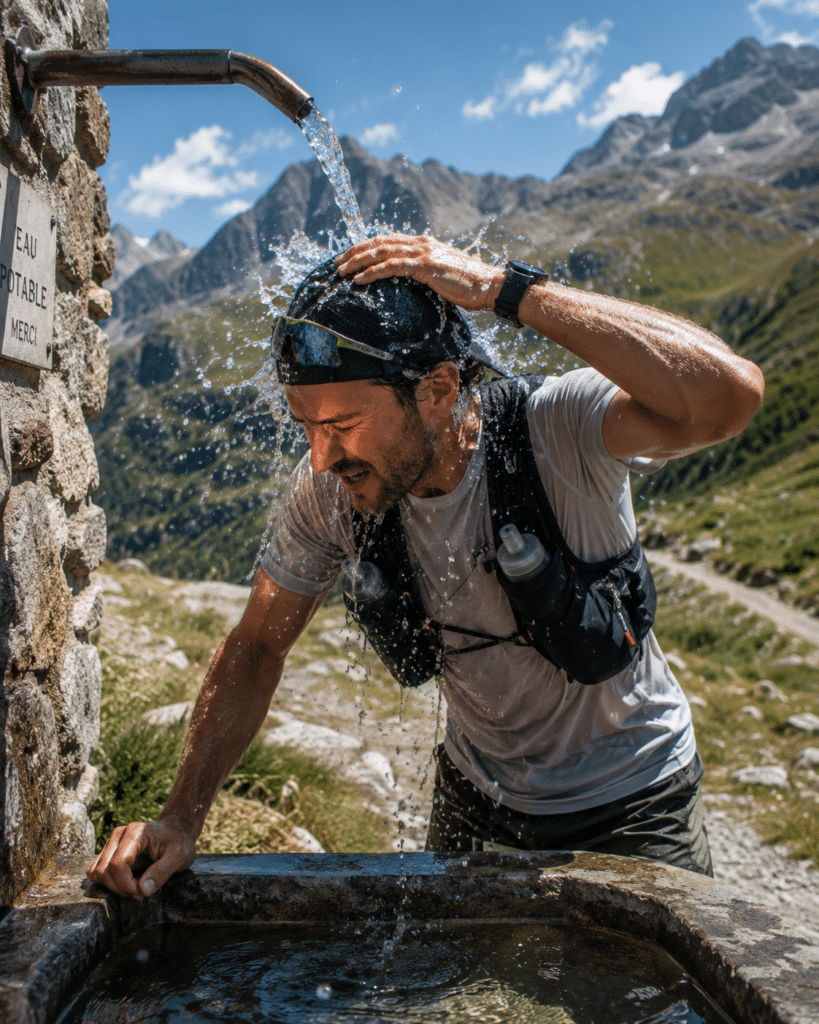
Still, I didn’t rely solely on them. I carried about 1.5 liters of water in a hydration vest and refilled at natural streams in designated areas. Water is safe in most places, but I recommend bringing purification tablets just in case, especially if the weather has been dry.
The cut-off times are tight, especially given the terrain. You need to keep moving — even if you’re power hiking — to stay within limits. I saw many strong runners get pulled out at the halfway point because they misjudged how slow limestone and altitude can make you.
Mental game: dealing with isolation
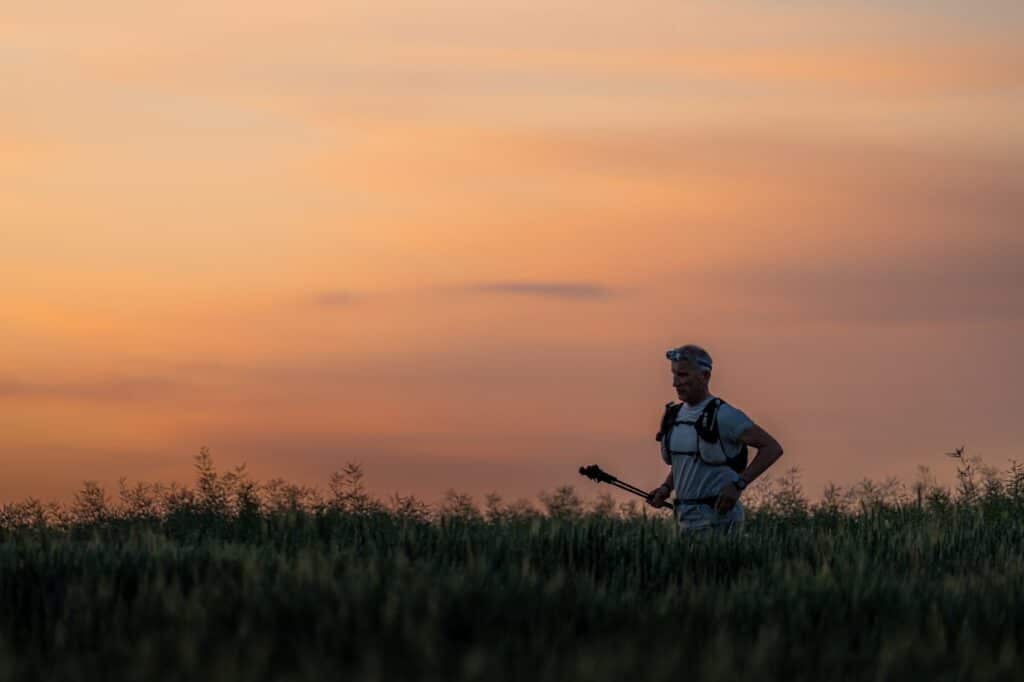
The Palentina Trail is not a race with big crowds or cheering spectators. For long stretches, it’s just you and the mountain. That isolation can either break you or push you deeper into a meditative state.
I leaned into the silence. Listening to my own breath, the wind, and the occasional cowbell in the distance helped me center myself. I also used mantras and short mental reminders like “strong legs, quiet mind” to keep my focus when fatigue set in.
If you’re someone who gets energy from music or podcasts, I suggest downloading a few hours’ worth in advance. But remember, you’ll need to be alert for markings and terrain changes, so don’t let audio distract you too much.
Final climbs and emotional finish
The last 15 kilometers of the Palentina Trail are brutal. Just when your legs are completely spent, the course throws in one last major climb. It’s a mental test more than a physical one.
At the summit, I paused. The view stretched across the entire Montaña Palentina — jagged ridges, golden light, and a sense of vast, wild solitude. It felt like standing on the edge of something ancient and indifferent, and yet I felt completely alive.
The descent to the finish line was fast, but not easy. My quads were on fire, and I had to concentrate with every step. But the moment I heard the cowbells and saw the finish arch, all the pain dissolved. Crossing that line was one of the most satisfying moments of my life.
Key takeaways for future runners
If you’re considering the Palentina Trail 2025, here’s what I’d recommend:
- Train for vertical gain. Elevation matters more than distance here. Focus on long uphill hikes and descents.
- Test your gear. Make sure every item has been used in wet, windy, and cold conditions before race day.
- Respect the terrain. Limestone is technical. Run smart, not just fast.
- Eat and drink often. The altitude and effort drain your energy more than you think.
Prepare mentally. Embrace the solitude and the suffering — they’re part of the reward.
Final thoughts
The Palentina Trail isn’t just a race. It’s an adventure that humbles you, shapes you, and stays with you long after you’ve crossed the finish line. It’s a test of endurance, but also a celebration of nature’s wildest elements — stone, sky, and solitude. If you crave a raw and rugged ultra experience, this race is for you.
And when you’re standing at the summit of Curavacas, with the wind in your face and 60 kilometers behind you, you’ll understand why so many of us return to this mountain year after year.