
3
(1)
3
The Spine Race is a truly unique ultra, and it’s important to understand its philosophy before signing up. This is not a classic “family-spirit” trail race – it is closer to a non-stop endurance expedition, run with a strong emphasis on self-sufficiency, safety, and discipline.
Registration & Mandatory Kit
Kit registration is extremely strict and conducted in a very military-style manner. Every item must meet exact specifications, with no flexibility – even for experienced runners.
Despite having equipment I’ve successfully used for similar races over the past eight years, part of my kit was deemed non-compliant, and I had to purchase a replacement item on-site (£35, sold by the race). That moment felt frustrating, as there is little middle ground between newcomers and highly experienced participants.
Atmosphere & Volunteers
The checkpoints and volunteer interactions were efficient and professional, but lacked the warm, family-style atmosphere found in many trail races. The overall feeling is more operational than emotional — again, very much in line with the Spine Race’s identity as a serious endurance challenge rather than a celebration-style event.
That said, the volunteers themselves were committed, present, and reliable throughout the course.
Race Format & Checkpoints
The race runs from Point A to Point B, with five main checkpoints.
At one checkpoint after around 100 km, I felt overwhelmed by immediate questioning upon arrival. It felt more like being processed on a conveyor belt than being welcomed — something that was a bit off-putting when already deeply fatigued.
Later in the race, after several days with very little sleep, I made a small navigation mistake near a checkpoint, missing a short loop before rejoining the course. Upon arrival, the first response was a warning about a time penalty rather than a check on my condition. In such an exhausted state, I would personally have appreciated a more human-first approach.
Course & Terrain
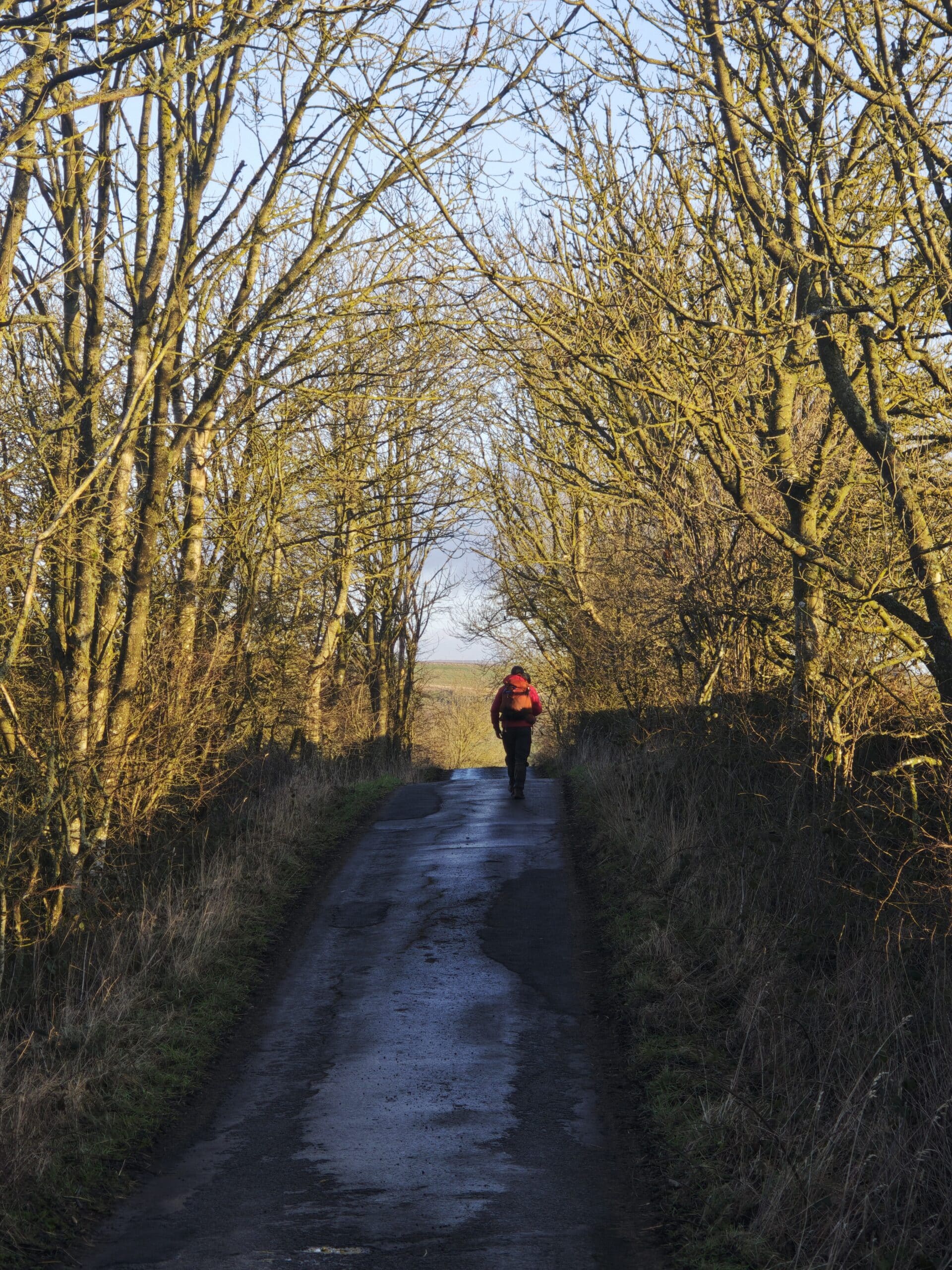
The trail itself is generally not highly technical, aside from icy sections depending on conditions. Navigation is straightforward, and the path is easy to follow.
Most of the scenery passed during the night for me, but the landscapes I did see were beautiful and wild, very much in the spirit of the Pennine Way.
Organisation & Safety
From an organisational standpoint, the race is exceptionally well run.
Mountain rescue teams are present and attentive, checkpoints are well staffed, and safety is clearly the top priority. In that regard, the Spine Race fully delivers — a solid 5/5 for organisation.
One downside worth noting: the bib numbers were poorly designed and blew off easily in strong winds, which isn’t ideal — especially from an environmental perspective.
Overall Impression & Value
Despite moments of frustration, I genuinely enjoyed the challenge, the people I met along the way, and the sense of accomplishment that comes with finishing the Spine Race.
However, at an entry fee of around £1,000, the value for money is something each runner must carefully consider.
Difficultés techniques
Paysage
Organisation
Rafraîchissements
Mars
Rendeux, province de Luxembourg, Belgique
0
(0)
23 km
Up to
635 m
Up to
Mars
Gimel, canton de Vaud, Suisse
0
(0)
27 km
Up to
1000 m
Up to
Mars
Aínsa-Sobrarbe, Huesca, Spain
0
(0)
24 km
Up to
1100 m
Up to