

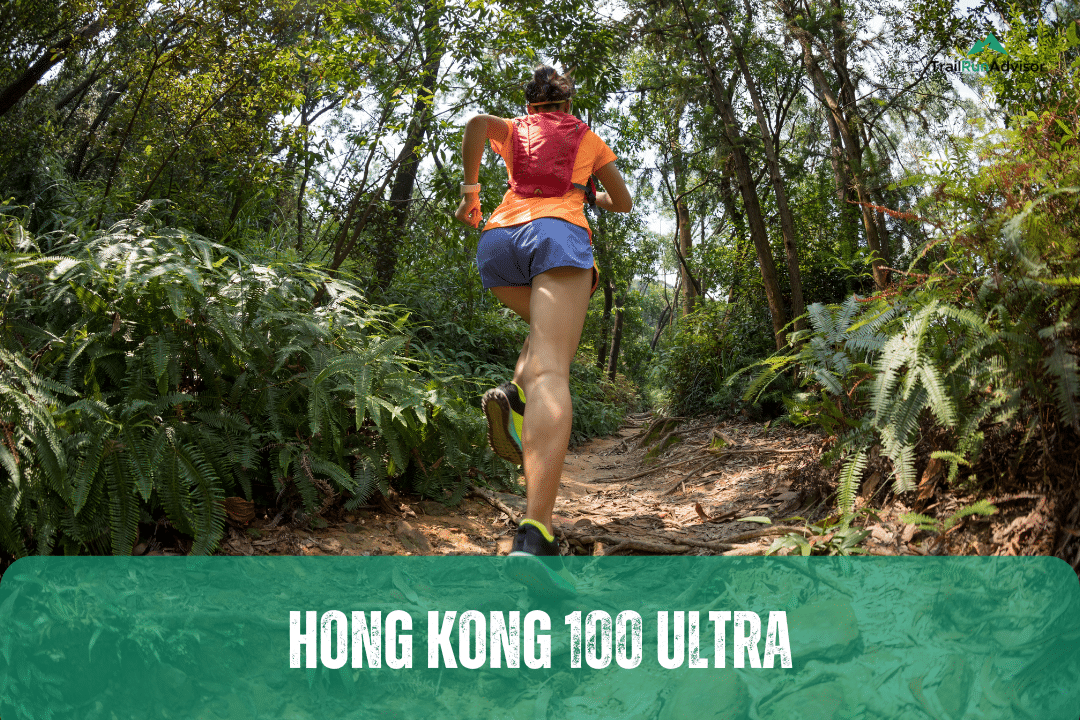
Beyond the skyline: a runner’s guide to the Hong Kong 100 ultra
When people think of Hong Kong, they picture skyscrapers, neon lights, and dense urban life. However, the Hong Kong 100 Ultra (HK100) reveals a completely different side of the city. This race takes you deep into country parks, along ancient trails, over rugged ridgelines, and through humid jungle terrain that feels far removed from the financial capital below.
This Hong Kong 100 ultramarathon guide is written for runners who want to understand the real demands of the race. HK100 is not just about distance. It is about managing heat, constant elevation change, technical terrain, and long hours of exposure. Finishers respect it. Veterans never underestimate it.
What makes the Hong Kong 100 unique
HK100 is part of the UTMB World Series and has become one of the most competitive and respected 100 km ultras in Asia. The race usually takes place in January, which sounds ideal on paper. In reality, conditions can still be challenging.
Unlike alpine races, HK100 rarely reaches high altitude. Instead, it delivers relentless rolling terrain. There are very few flat sections. Climbs are short but frequent. Descents are technical and often steep. Add humidity into the equation, and pacing becomes a skill rather than a simple calculation.
The course showcases the New Territories and the famous MacLehose Trail, one of the longest and most iconic hiking routes in Hong Kong.
Course overview and terrain breakdown
Distance and elevation
Distance: 103 km
Elevation gain: approximately 5,300–5,500 meters
Surface: mixed trail, stone steps, dirt paths, jungle tracks, short paved sections
The elevation profile is deceptive. There are no massive single climbs, but the accumulation wears you down. Many runners blow up not on one big ascent, but after the tenth or eleventh rolling climb.
Technicality
The terrain varies constantly. Expect:
Long sections of stone steps, both up and down
Narrow singletrack with roots and rocks
Exposed ridgelines with wind
Fast but uneven dirt trails
Stone staircases are one of the defining features of HK100. They punish quads on the descents and calves on the climbs. If you are not prepared for repetitive step running, fatigue will arrive early.
Weather and heat management
One of the most misunderstood aspects of HK100 is the weather. January in Hong Kong is cooler than summer, but it is not cold in the way European runners expect.
Typical conditions
Temperature: 10–22°C (50–72°F)
Humidity: often high, especially in sheltered sections
Wind: possible on ridges, minimal in forests
Humidity is the real enemy. Even at moderate temperatures, sweating efficiency drops. Electrolyte balance becomes critical.
Practical heat strategy
Start conservatively, even if it feels easy
Use ice or cold water at aid stations if available
Prioritize electrolytes over plain water
Adjust effort based on perceived exertion, not pace
Many DNFs come from dehydration or early overheating, not from lack of fitness.
Pacing strategy for HK100
This is not a race where you run by kilometers per hour. Pacing must be terrain-based and effort-based.
Early race: control and restraint
The first third of the race is runnable for strong athletes. This is also where mistakes happen.
Power hike the steeper climbs
Run only when effort feels truly aerobic
Ignore competitors who start aggressively
If you feel “too good” in the first 30 km, you are probably running too fast.
Middle section: rhythm and fueling
This is where HK100 starts to feel endless.
Set short-term goals between aid stations
Maintain steady calorie intake
Accept slower splits without frustration
Mental discipline matters more than physical strength here.
Final third: survival and execution
The final sections demand focus. Descents are technical. Fatigue increases the risk of falls.
Prioritize safe footing over speed
Keep fueling simple and familiar
Stay mentally engaged, especially at night
Many strong runners lose significant time here due to poor decision-making rather than physical collapse.
Training recommendations specific to HK100
A generic 100 km plan is not enough. HK100 requires targeted preparation.
Vertical and stairs
If you can, train on:
Long staircases
Repeated short climbs
Downhill stair running
Gym alternatives include step-ups, box jumps, and eccentric quad work.
Heat and humidity adaptation
If you live in a cooler climate:
Train overdressed occasionally
Use sauna sessions post-run
Practice electrolyte intake during workouts
Heat tolerance is trainable, but it must be done gradually.
Technical downhill focus
Downhill efficiency saves enormous energy.
Practice controlled descending when fatigued
Strengthen ankles and stabilizers
Avoid excessive braking with the quads
Nutrition and hydration strategy
HK100 is not the race to experiment with new fueling strategies.
Calories
Aim for 250–300 kcal per hour
Mix gels, real food, and liquids
Adjust intake based on heat and effort
Fluids and electrolytes
Drink to thirst, but monitor urine color
Increase sodium intake in humid conditions
Do not rely solely on aid station offerings
Cramping and GI distress are common among runners who underestimate electrolyte loss.
Mental approach and race mindset
HK100 rewards patience and humility.
Expect lows, and accept them
Break the race into manageable segments
Focus on execution, not placement
This is a thinking runner’s race. Emotional control is a performance skill here.
Who is HK100 ideal for?
This race suits runners who:
Excel on rolling terrain
Are comfortable with technical trails
Can manage heat and humidity
Enjoy long, tactical races
Pure speed or mountain climbing ability alone is not enough. Versatility wins.
Final thoughts from the trail
The Hong Kong 100 Ultra is one of those races that stays with you. Not because of a single climb or iconic summit, but because of how relentlessly it tests your discipline. It forces you to respect pacing, manage discomfort, and adapt continuously.
Beyond the skyline lies a race that feels raw, technical, and honest. Finish it well, and you earn not just a buckle or a result, but a deep understanding of what it means to run smart over 100 demanding kilometers.
If you are preparing for HK100, treat it with respect. Train specifically. Pace conservatively. And above all, stay patient. The trail will decide the rest.