
Interview Alex Schubach – TrailRunAdvisor
Trail running in Japan and Asia is gaining increasing attention among runners looking for new challenges, unique landscapes, and different race experiences. From technical mountain trails to humid coastal races, the region offers a wide variety of events that stand out from traditional European races.
But how do you choose the right race? What makes trail races in Japan so unique? And what should you expect when racing in Asia?
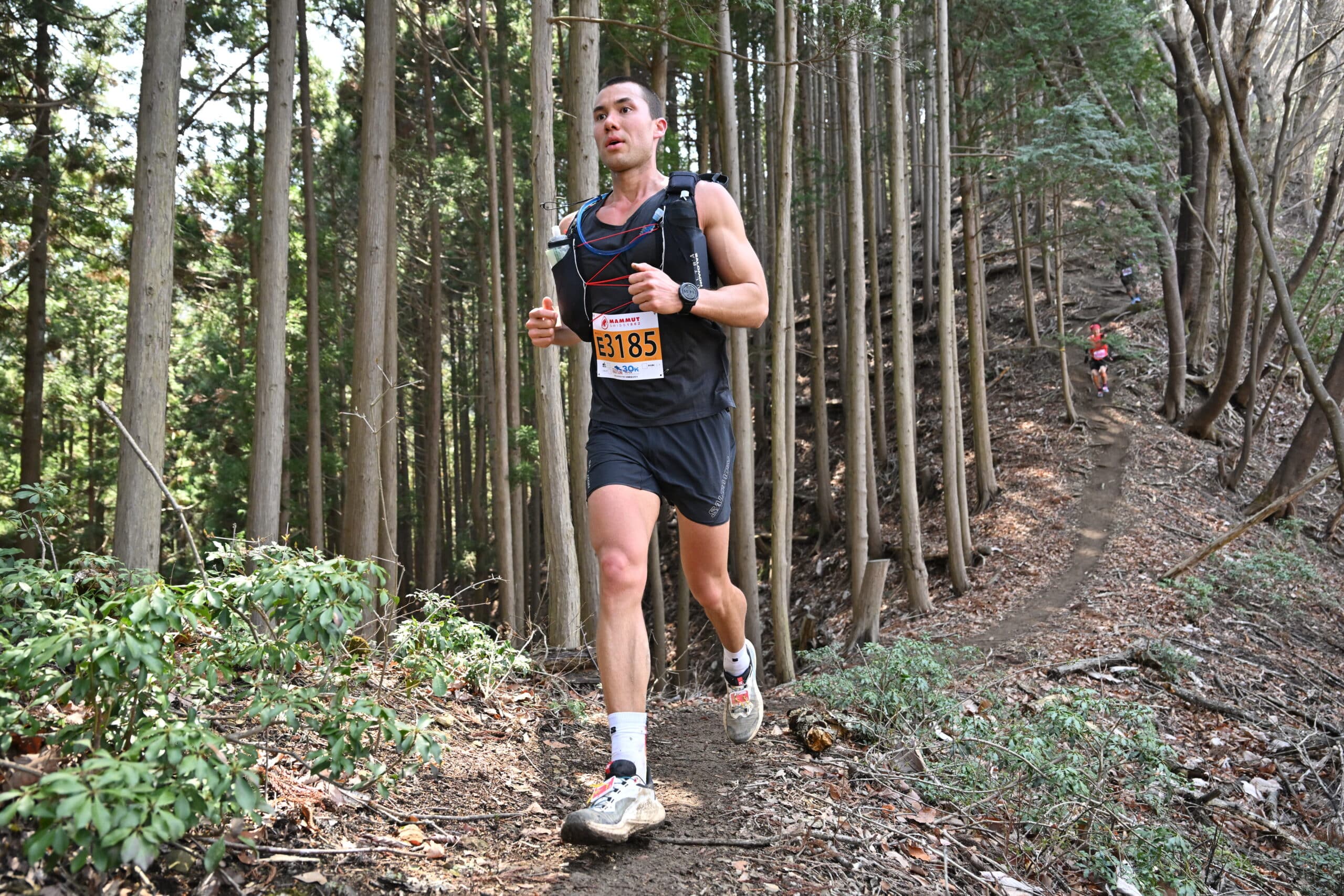
To help answer these questions, we spoke with Alex Schubach, an endurance athlete and trail runner based in Tokyo, who competes across a wide range of races in Japan and Asia. Through his experience on events such as Hiroshima Trail, Mt Fuji Climb Run, Nikko Mountain Race and races beyond Japan, he has developed a deep understanding of the region’s trail running scene.
In this interview, Alex shares his insights on trail running in Japan, the specific challenges of these races, and his recommendations for runners looking to discover trail running in Asia.
Q1. You’ve raced several trail events across Japan and Asia — how would you describe the trail running scene in Japan today?
I’m still relatively new to the trail scene here. I moved to Japan about a year ago, and all my racing so far has been in Asia, mainly Japan.
What stands out straight away is how closely the trail running culture reflects Japanese culture as a whole. There’s a strong sense of respect, for the mountains, for each other as competitors, and for the standard you hold yourself to when you show up and give your best – all very Japanese!
You also see a big influence from marathon and ekiden culture. Runners are disciplined, efficient, and consistent. Even at the amateur level, people take running seriously in Japan.
Q2. What makes trail races in Japan different from those in Europe or other parts of the world?
I haven’t raced in Europe yet, so I can’t compare directly from experience, but racing here feels very unique.
The biggest difference is Japanese culture is also woven directly into the races themselves. You see it at aid stations with local food and drinks, not just standard gels and sports products.
You hear it when you’re running past temples or shrines and there are taiko drums being beaten by people dressed in traditional festival clothing, which brings a really unique energy to the race!
The support out on course adds to that as well. Most of the crowd is local, and they really lean into it. You’ll see people with flags, banners, and traditional-style outfits, and it makes the whole experience feel distinctly Japanese, which is awesome!
Q3. For someone looking to discover trail running in Japan, which races would you recommend and why?
Nikko Mountain Race is a solid starting point. It was my first trail race, and it gives you a proper introduction. You get the climbs, the technical terrain, and the environment, but it’s still manageable if you’ve done some work. Visiting Nikko during autumn was also a big reason I chose it! The scenery at that time of year is unreal, and I wanted my first experience in trail running here to be somewhere that really captured that side of Japan.
Hasetsune 30K is a step up. It’s tougher, more competitive, and gives you a clearer picture of the level here. For me, it was also about experiencing one of the more well-known races in Japan. It has a long history, and I wanted to see what that felt like, not just the course, but the atmosphere and how people approach a race like that.
Then something like Hiroshima Trail pushes things further. More distance, more elevation, and it becomes more about how well you can manage yourself over time. That one was a step up for me physically, but also just a place I wanted to go. I really like Hiroshima as a city, the food, the people, the overall feel of it. Being able to race there and experience it at the same time made it a pretty unique trip!
Q4. How would you describe the terrain and level of difficulty of trail races in Japan? What should runners be prepared for?
It’s hard.
The climbs are steep and don’t really let up. You’ll be power hiking a lot. The descents are technical, and if you’re not comfortable there, you lose a lot of time and energy.
There’s very little flat running, so you don’t get much chance to reset.
You need strong legs, but more importantly, you need to stay composed. That’s something I’ve noticed with Japanese runners. Even when it gets tough, they stay controlled and keep moving.
You can’t rely on road fitness alone. You need to be ready for the terrain.
Q5. Beyond the race itself, what stands out in terms of atmosphere, organisation, or culture in Japanese trail events?
What stands out most is the people and how strongly Japanese culture comes through in the experience.
There’s a clear sense of respect in how everything is done, from the organisation to how runners approach the race. Things run smoothly, and there’s an expectation that everyone shows up prepared and takes it seriously.
Out on the course, the support is a big part of it. Locals come out with flags, banners, and sometimes traditional clothing, which adds a unique atmosphere. You also see it at aid stations, with local food and drinks that make the race feel connected to the place.
Then there are moments that stick with you, like running past temples or shrines with taiko drums being played. It gives the race a different kind of energy and just makes you want to run past all the supporters with your arms outstretched with a big smile on your face!
Overall, it’s not just about the course. It’s the people and the culture that makes it stand out.
Q6. You’ve also raced in other parts of Asia, like Taiwan — how does the experience compare to Japan?
Where I raced in Taiwan, down at the southern tip of the country, the terrain was quite different. There was less elevation overall, but the conditions were starting to get humid, which added a different kind of challenge.
Up to now, all of my racing in Japan has been in spring or autumn, so I haven’t fully experienced the heat and humidity here yet. But that’s about to change. I’ve got a 20K UTMB race coming up this summer, followed by my first 80K the week after, both in peak summer conditions.
The race in Taiwan was a good early test for that. It made it clear how much the humidity can affect pacing, effort, and overall performance.
Japan in summer is known to be very hot and humid, so I’m expecting some similarities, but also differences depending on the terrain and races themselves. Right now, I’m trying to learn from that experience in Taiwan and apply it as I prepare for racing through summer here.
Q7. What advice would you give to international runners who want to race in Japan or Asia for the first time?
Racing in Japan and across Asia is a completely different experience, not just from a performance point of view, but culturally as well. It makes the whole experience of racing and trail running more enjoyable and a lot more memorable.
The racing itself is hard, physically and mentally, but outside of that, you’re in a completely different environment. Different history, different people, different ways of doing things. That adds a lot to the experience.
I think trail running in Asia, and Japan in particular, is growing and in a really exciting place right now. It’s still developing in a global, which makes it feel fresh.
If you’re used to racing in your home country, whether that’s Europe, the US, or Australia, it’s worth stepping outside of that and coming over here. The trip itself is worth it, and being able to race here on top of that makes it even more rewarding!
It’s a different experience, and that’s exactly why it’s worth doing.
Exploring trail running in Japan and Asia opens the door to unique races, diverse terrains, and a very distinctive race culture.
Thanks to runners like Alex sharing detailed insights and experiences, it becomes much easier to discover and choose the right races.
👉 Want to dive deeper into these races and explore more trail running experiences in Japan?
Check out Alex’s blog:
https://www.welcometojpn.com/blog/categories/race-blogs